Introduction: The Emergence of Esports as a Global Phenomenon
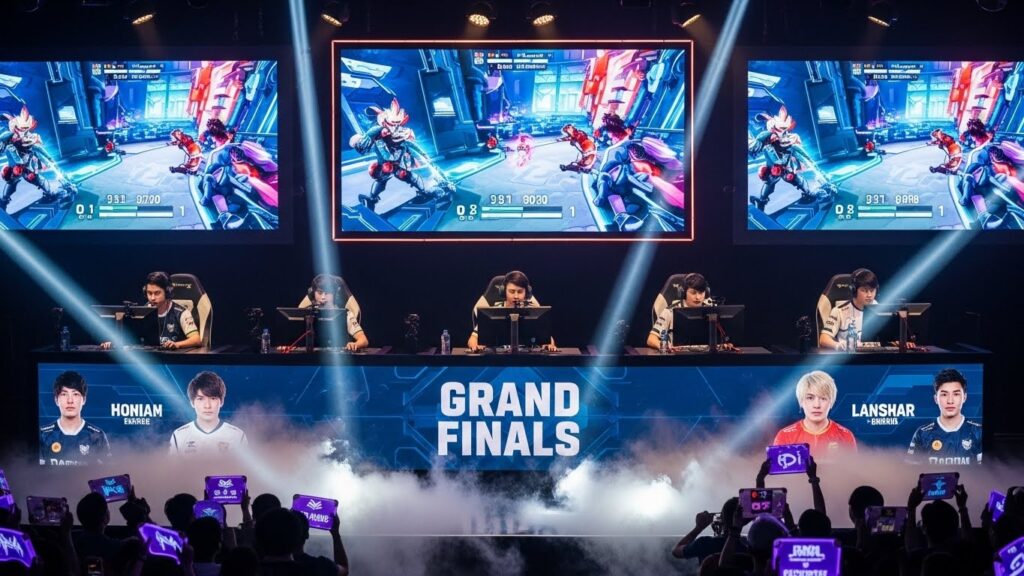
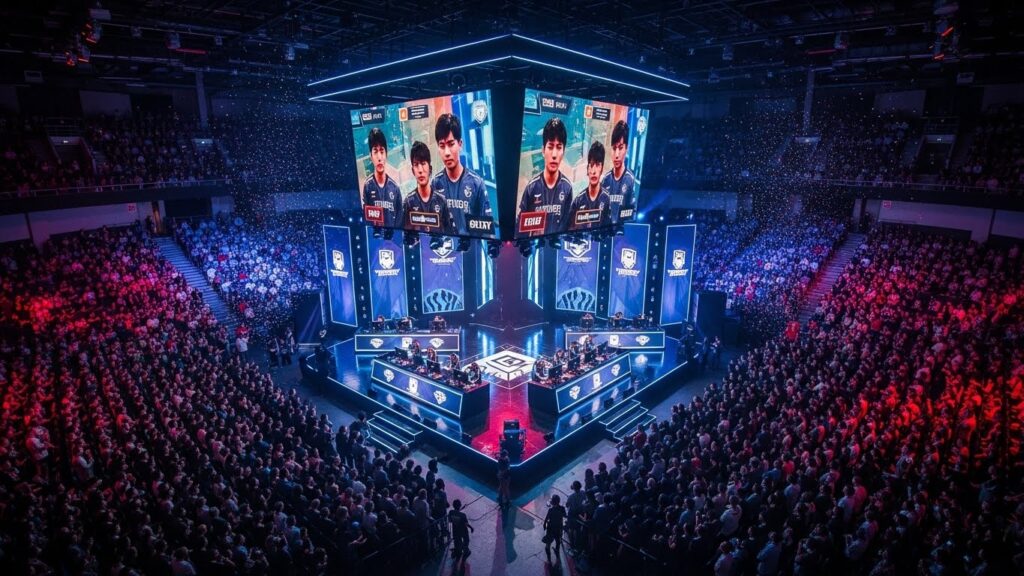
In recent years, esports has evolved from a niche hobby into a global entertainment phenomenon. Once regarded as a pastime for tech enthusiasts and gamers, competitive gaming has now become a multi-billion-dollar industry, attracting millions of viewers, sponsorships from top brands, and even college scholarships. What was once confined to basement LAN parties and small tournaments has exploded into a mainstream industry, where players, teams, and events draw audiences that rival traditional sports leagues in size and enthusiasm.
As digital connectivity continues to evolve and gaming technology improves, esports is poised to redefine not just entertainment, but how we view competition, community, and global connectivity. This blog post explores the explosive growth of esports, its cultural impact, the business behind the games, and its future potential.
The Origins of Esports: From Arcade Games to Online Tournaments
The roots of esports can be traced back to the early days of arcade gaming, where players competed for high scores on machines in public spaces. While these competitions were informal, they sparked an early sense of community and rivalry among players. As video games moved to home consoles and personal computers, the competitive aspect of gaming began to take shape, albeit on a much smaller scale.
One of the key milestones in the evolution of esports was the 1997 Red Annihilation tournament for the game Quake, which is considered one of the first major online gaming events. The prize was a Ferrari, and it drew a large audience, signaling the potential of competitive gaming as an organized, high-stakes activity. Over the next few years, esports tournaments became more structured, with games like StarCraft, Warcraft III, and Counter-Strike attracting more players, sponsors, and fans.
By the mid-2000s, the rise of broadband internet and streaming platforms such as Twitch made it easier for players to compete globally, leading to the creation of professional teams and leagues. This shift in how esports was consumed—watching rather than just playing—transformed the competitive gaming landscape into the massive industry it is today.
The Mechanics of Esports: What Makes It Different from Traditional Sports
At its core, esports shares many similarities with traditional sports: the pursuit of excellence, teamwork, strategic thinking, and the thrill of competition. However, there are several key differences that set esports apart from traditional athletic competitions.
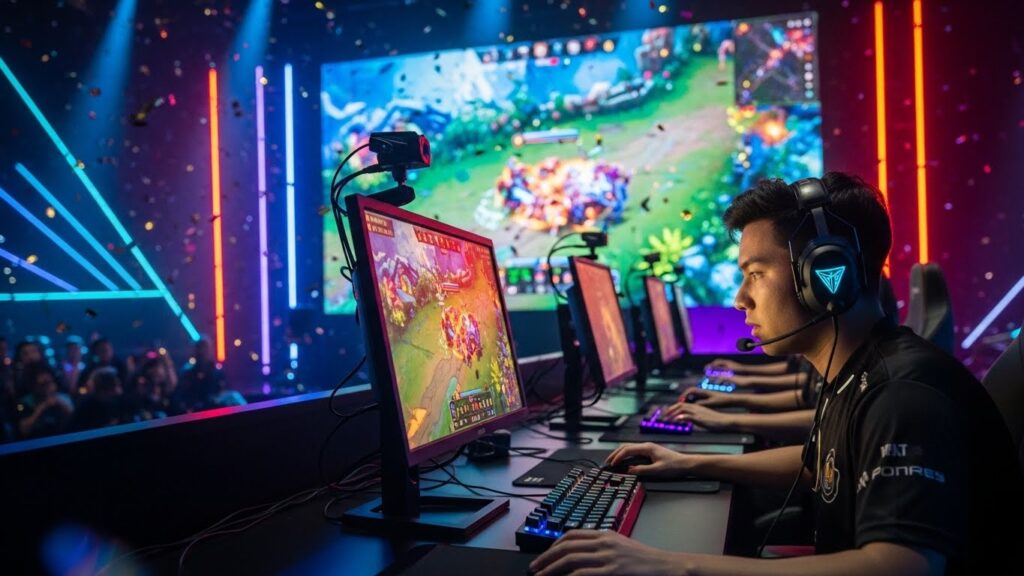
One major distinction is the digital nature of the sport. Esports involves playing video games, often in a highly competitive, professional environment. These games range from real-time strategy (RTS) games like League of Legends to first-person shooters (FPS) like Overwatch and Counter-Strike to battle royale games like Fortnite and PUBG. Each genre of game requires a unique set of skills, from strategic planning and quick reflexes to hand-eye coordination and communication.
Another important factor is the online nature of esports. While traditional sports require physical presence and face-to-face competition, esports can be played from anywhere in the world. This connectivity allows players and teams from different continents to compete against one another in real-time, breaking down geographical barriers and creating a truly global community. The ability to stream games online has also contributed to the rapid growth of esports, enabling fans to watch live matches and tournaments from the comfort of their homes.
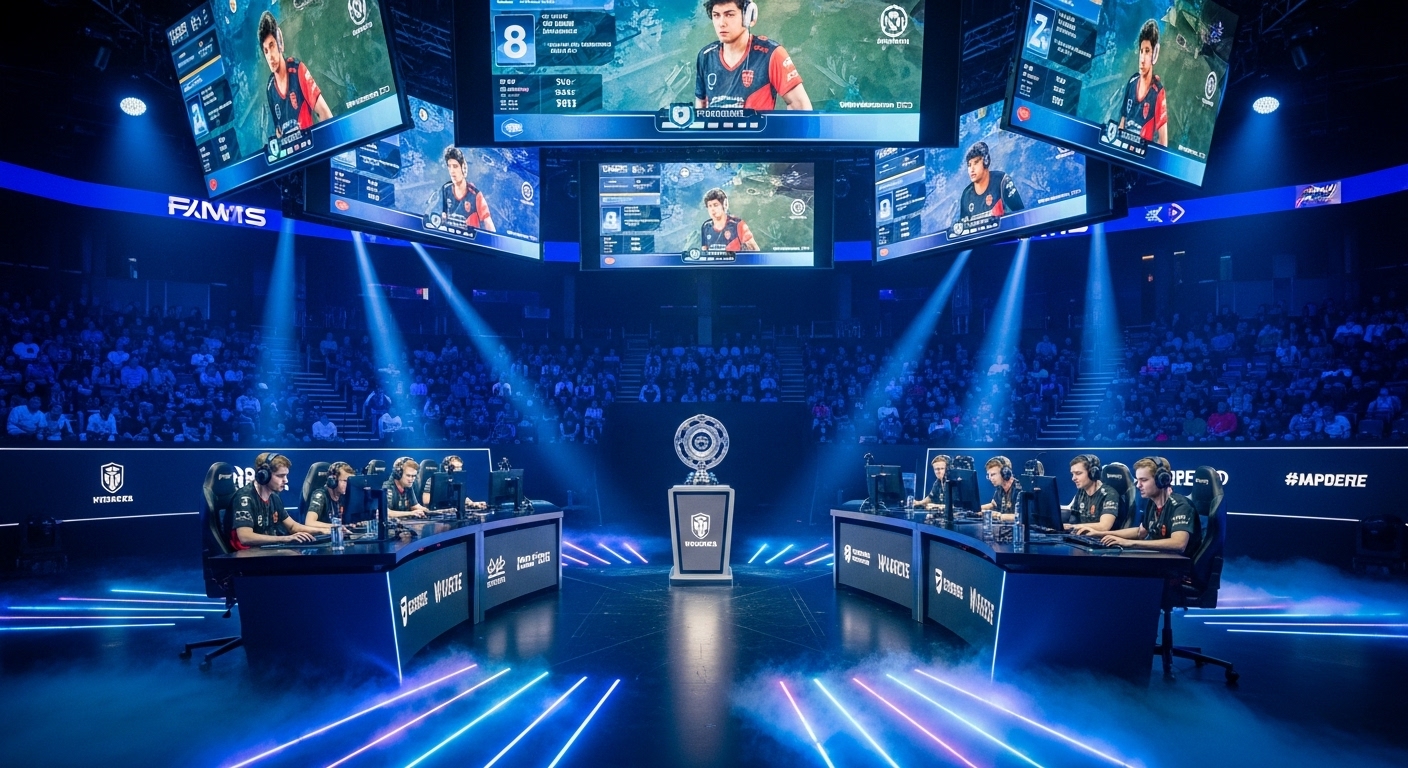
Esports also introduces a unique blend of individual and team-based competition. While some games are focused on individual achievements, many esports titles are team-based, requiring players to work closely with teammates to develop strategies, communicate effectively, and execute complex maneuvers. This dynamic introduces an aspect of teamwork that is comparable to traditional team sports like basketball or soccer, where coordination and synergy are key to success.
The Global Esports Community: A New Type of Fanbase
Esports has cultivated a passionate and dedicated fanbase that is distinct from the audiences of traditional sports. Esports fans are diverse, connected through digital platforms and united by a shared love for gaming. Many fans interact with players, teams, and events on a daily basis, whether it’s through live streams, social media, or online forums. This sense of community and direct engagement has helped build a global esports culture that feels more personal and accessible than many traditional sports fanbases.
Unlike traditional sports, where teams often represent a specific city or country, esports teams can be global in nature, drawing players from multiple countries to form a cohesive team. This international element contributes to a more inclusive and global fan experience, as fans from different parts of the world come together to support their favorite players or teams. The International Dota 2 Championships is one prime example of this, with players from all over the globe coming together to compete for millions of dollars in prize money.
The Twitch streaming platform has played a crucial role in connecting fans and players. Fans can watch live tournaments, interact with their favorite streamers, and even donate money to support their favorite players or teams. Esports also features content creators who produce guides, analysis, and commentary, further enhancing the fan experience and creating additional layers of engagement beyond just watching the game.
Esports fans are also incredibly loyal. Many follow players and teams across different tournaments and games, staying updated on team rosters, player performances, and event results. This loyalty extends to esports organizations, which often have dedicated communities of fans that support them both financially and emotionally.
Esports as a Business: Sponsorship, Advertising, and Revenue Streams
The business side of esports has grown exponentially over the past decade, with major corporations and brands jumping on board to take advantage of the rapidly expanding market. Sponsorship deals, advertising, and media rights are key revenue drivers for the industry, and they show no sign of slowing down.
Esports sponsorships are a major source of income for both teams and tournaments. Global brands such as Intel, Red Bull, Nike, and Coca-Cola have partnered with esports organizations to sponsor events, provide gear, and promote their products. These partnerships are often more than just financial; they involve a deeper connection with the esports community, as brands look to target a younger, tech-savvy audience.
In addition to sponsorships, esports teams and players make significant revenue from merchandise sales. Fans of specific teams or players can purchase jerseys, hats, and other merchandise, helping to further the branding and visibility of esports organizations. The success of a team is often linked to its ability to attract fans, and merchandise sales are a vital part of this process.
Esports also generates substantial revenue through media rights. As online streaming platforms like Twitch and YouTube continue to grow, esports tournaments and events are being broadcast to millions of viewers worldwide. Networks such as ESPN and TBS have even begun airing major esports events, signaling the increasing mainstream acceptance of competitive gaming. These broadcasting deals bring in millions of dollars in revenue for organizers and teams, as well as increased exposure to new audiences.
Another emerging revenue stream for esports is advertising. Like traditional sports, esports events and streams feature a variety of advertisers who want to reach an engaged and loyal audience. From pre-roll ads on streams to sponsor-driven content, esports organizations are capitalizing on advertising opportunities to supplement their income.
The Future of Esports: Expanding Horizons and Untapped Potential
The future of esports looks incredibly bright, with endless possibilities for growth and innovation. As the industry continues to expand, more opportunities will arise for players, teams, fans, and investors alike. Here are a few key areas where we can expect esports to evolve in the coming years:
- Mainstream Acceptance: As esports continue to gain traction, it is likely that they will become more widely accepted by mainstream audiences. With traditional sports networks like ESPN airing esports events and colleges offering scholarships for esports players, competitive gaming is well on its way to being recognized as a legitimate sport.
- Globalization and Regional Leagues: Esports will continue to grow globally, with more regional leagues and tournaments emerging to give players from all parts of the world the chance to compete. This global expansion will open up new markets, attracting even more players, fans, and sponsors.
- The Rise of Virtual Reality and Augmented Reality: As technology improves, virtual reality (VR) and augmented reality (AR) could play an increasingly important role in esports. VR tournaments, where players compete in fully immersive environments, could offer a new level of excitement and challenge.
- Esports as a Career Path: As the industry matures, esports will likely become an increasingly viable career path for players, coaches, and other professionals. College programs and academies focused on esports will continue to grow, providing a structured pipeline for aspiring gamers.
Conclusion: Esports – The Future of Entertainment
Esports has already made an undeniable impact on the world of entertainment, and its influence is only set to grow. With a global fanbase, massive revenue opportunities, and the potential for continued innovation, esports is transforming the way we think about competition, entertainment, and community. As the industry continues to evolve, one thing is certain: esports are not just a passing trend—they are the future of gaming, sports, and digital entertainment. Whether you’re a player, a fan, or an investor, esports offers something for everyone, and its impact will continue to shape the world for years to come.